Pet food distribution has changed significantly over the last decade. The growth of raw and frozen pet food has shifted expectations around delivery quality, consistency, and reliability.
What was once a relatively straightforward operation, often treated as a variation of ambient or chilled retail distribution, now faces many of the same pressures as professional foodservice logistics. Customers expect frozen products to arrive frozen, raw products to arrive uncompromised, and deliveries to be predictable regardless of scale.
As a result, pet food transport increasingly resembles catering or food manufacturing distribution rather than courier work. Tight delivery windows, multi-drop routes, and frequent door openings are now standard, particularly for subscription-based models and direct-to-consumer brands.
Temperature control is no longer a compliance exercise carried out in isolation. It has become an operational discipline that must hold up throughout the working day.
This has increased pressure on operators to manage temperature consistency, timing, and scale simultaneously.
- Growth often happens quickly in this sector, and transport setups that worked at a smaller scale can become limiting almost overnight.
- Decisions around vehicles, fleet size, and transport partners now directly affect brand perception.
- Customers buying premium pet food expect the same care in delivery as in production.
- When transport fails, trust erodes quickly, and retention suffers as a result.
Raw and Frozen Pet Food Leaves Little Margin for Transport Error
Raw and frozen pet food behave very differently from chilled goods, and those differences matter in transport. Chilled products often tolerate minor fluctuations without immediate damage. Frozen and raw products do not.
Once temperature stability is compromised, the impact is rarely reversible.
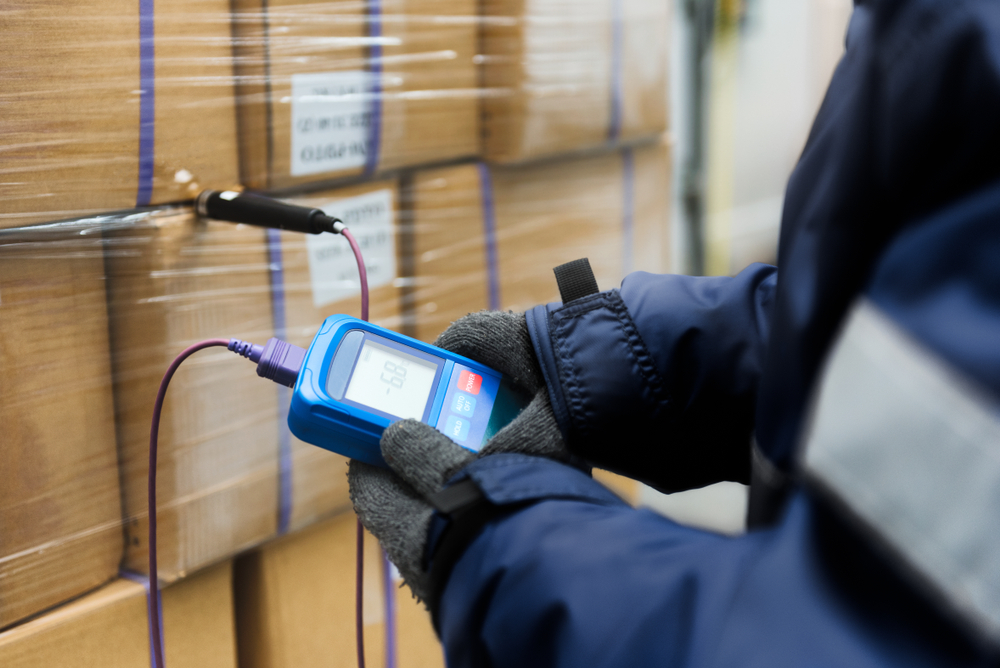
There is an essential distinction between temperature compliance and temperature stability. A product may still fall within an acceptable range at delivery, but this does not mean it has been adequately protected throughout the journey.
Partial thawing followed by refreezing is particularly damaging, even when it is not immediately visible. Texture, moisture retention, and nutritional integrity are compromised, resulting in a product that deteriorates more rapidly upon customer receipt.
Delivery delays, extended dwell times, and slow temperature recovery after door openings all contribute to this risk. Individually, these issues may appear manageable. Combined, they quietly undermine product quality. The problem is that transport failures often do not show up at handover. Customers sign for deliveries in good faith, only to discover issues later when products soften, refreeze unevenly, or fail earlier than expected.
For pet food brands, this creates a problematic situation. The fault sits in transport, but the impact is felt at the customer end. By the time complaints arise, the opportunity to trace and correct the issue has often passed. This is why the distribution of raw and frozen pet food leaves so little room for error and why transport reliability matters more than headline specifications.
Why Many Pet Food Businesses Turn to Vehicle Hire
Owning specialist refrigerated or frozen vehicles carries a level of capital risk that many pet food businesses are understandably cautious about. The sector is growing, but growth is not always linear. Demand can rise quickly, change shape, or fluctuate in ways that make fixed assets feel restrictive rather than supportive.
Subscription models introduce variability in order density and routing. Seasonal spikes, often linked to promotions or weather conditions, impose short-term pressure on fleets. Marketing campaigns can create sudden surges that are difficult to predict accurately. In these conditions, committing too early to owned vehicles can create as many problems as it solves.
Owning too rigidly often leads to underutilised assets in quieter periods or capacity shortfalls during peaks. Vehicles that are ideal for one stage of growth may become unsuitable as delivery patterns evolve. This is where hire plays a valuable role. It allows businesses to remain operational and responsive without committing to long-term decisions before the shape of demand has settled.
Appropriately used, vehicle hire becomes a strategic tool rather than a stopgap. It provides access to appropriate vehicles when needed, enables operators to adapt quickly, and reduces exposure to maintenance and depreciation risks. For many pet food businesses, hire offers a way to support growth while keeping control over cost and operational risk.
Small Operators and Startups: When The Van is The Business
For small pet food operators and startups, the transport setup is often the business. One-van and two-van operations delivering raw or frozen pet food do not have spare capacity to absorb disruption. When a vehicle is off the road, deliveries stop. There is no alternative route or backup fleet waiting in reserve.
Downtime hits pet food brands particularly hard because customers expect reliability as part of the product offering. Missed deliveries, delays, or compromised loads quickly damage trust, especially in subscription models where consistency is central to retention. A single failure can undo months of brand-building effort.
At the same time, small operators are under pressure to control costs while meeting compliance and quality expectations. Investing heavily in specialist vehicles may not feel viable in the early stages. Cutting corners, however, often leads to greater expense later through breakdowns, rejected deliveries, or lost customers.
This is why hire is often used as insurance rather than just capacity. Access to reliable refrigerated vehicles without the burden of ownership allows small businesses to operate with confidence. It reduces the risk of catastrophic downtime and gives operators room to grow without overextending themselves financially.
Scaling Pet Food Distribution Without Losing Control
As pet food brands grow, transport complexity increases quickly. Geographic expansion introduces longer routes and unfamiliar delivery environments. Mixed delivery models, serving both direct consumers and trade customers, place conflicting demands on vehicles and schedules. Order density varies from day to day, complicating capacity planning.
Fleet consistency becomes harder to maintain as volume increases. Different vehicle sizes, specifications, and refrigeration systems are often introduced incrementally, leading to variability in performance. Drivers adapt their behaviour to the vehicle they are in, and that inconsistency can affect temperature control and delivery outcomes.
This is where hire supports controlled growth. It allows operators to add capacity where needed without committing permanently to assets that may not suit future demand. Routes can be tested, delivery models adjusted, and fleet composition refined as the business evolves.
Rather than locking in decisions too early, hiring provides flexibility. It gives growing pet food brands the ability to scale up while retaining control over quality and reliability. In a sector where customer expectations are high and tolerance for failure is low, that flexibility is often the difference between sustainable growth and operational strain.
Refrigerated Vehicles For Pet Food Are Not Generic
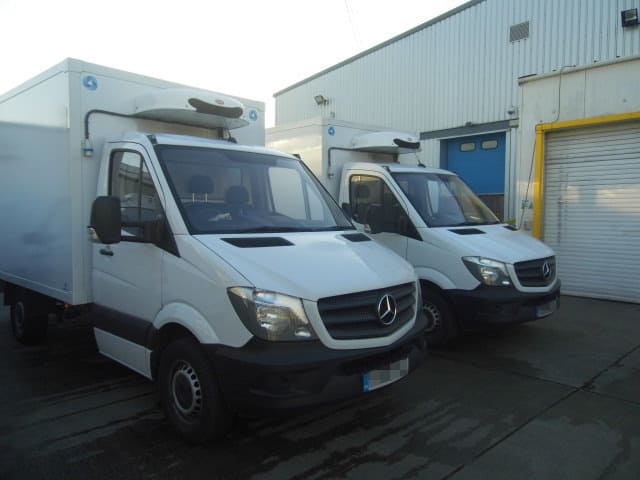
Refrigerated vehicles used for raw and frozen pet food face higher demands than many operators initially expect. Frozen loads in particular require refrigeration systems capable of maintaining low temperatures consistently while also recovering quickly after door openings. Not all systems perform equally under these conditions.
Pull-down speed and recovery time are critical. Vehicles that take too long to return to set temperature after loading or delivery create cumulative exposure across a route. Payload is another common oversight. Insulation, freezer units, packaging, and product weight all reduce usable capacity, sometimes more than anticipated. Vehicles specified too tightly leave little margin for variation.
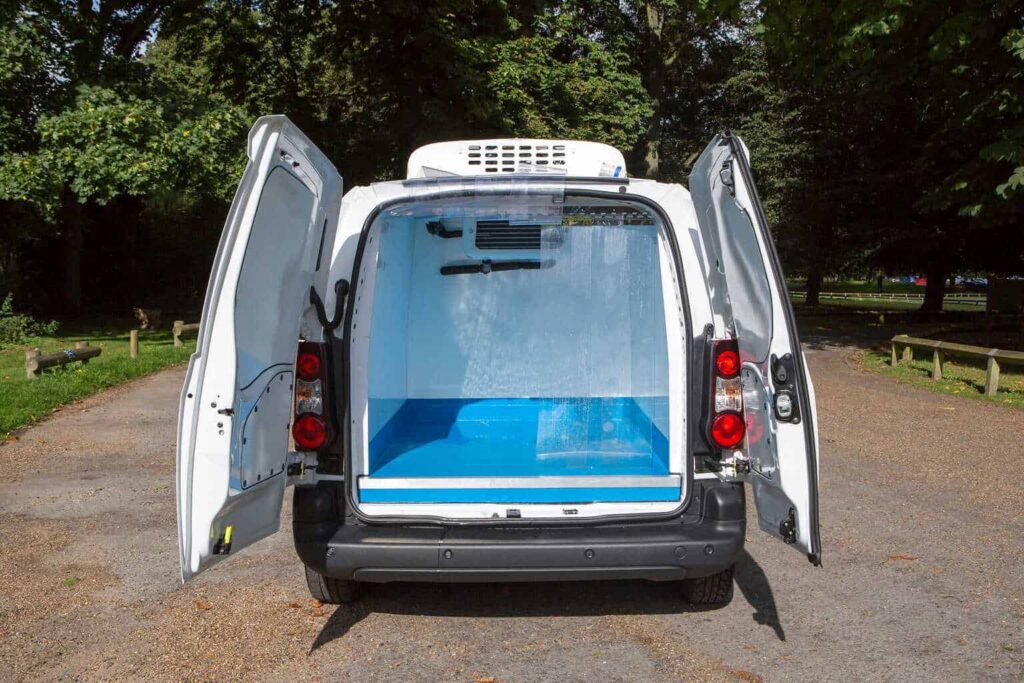
Door configuration and loading patterns also matter. Frequent access points increase heat ingress, and a poor internal layout restricts airflow, resulting in uneven temperatures within the load space. These issues rarely cause immediate failure, but they quietly undermine product integrity over time.
This is why “cold enough on paper” often fails in real delivery work. A vehicle may meet specification requirements yet perform poorly under day-to-day operating conditions. For pet food operators, the consequences are higher waste, shorter shelf life, and increased customer complaints. Choosing the right vehicle is therefore not a technical detail but a core operational decision.
The Role of Hire in Managing Risk and Downtime
In pet food distribution, the difference between planned and unplanned hires is significant. Planned hire is built into the operation. It covers known pressures, such as service schedules, predictable seasonal increases, and anticipated growth. Unplanned hire, by contrast, usually happens under stress, when a vehicle is already off the road or demand has exceeded expectations.
In raw and frozen pet food delivery, downtime carries immediate consequences. Missed drops, delayed routes, and compromised loads quickly translate into customer complaints and refunds. Planned hire allows operators to maintain continuity during vehicle servicing, cover breakdowns without disruption, and absorb short-term demand spikes without stretching unsuitable vehicles.
Seasonal pressure also plays a role. Promotions, weather-driven demand, or subscription surges can all place sudden strain on fleets. Having access to hire vehicles already suitable for frozen work reduces risk in these situations.
The alternative is a last-minute hire, which often limits choice and increases exposure to problems. Vehicles sourced quickly may not be ideal for frozen products, may take time to recover temperature, or may lack the required payload or layout.
This is where working with a specialist refrigerated-hire provider is essential. Pet food operations need vehicles that are genuinely fit for purpose and support teams who understand the urgency when something goes wrong. A specialist partner reduces uncertainty, shortens response times, and enables hire to be used as a proactive risk-management tool rather than a reactive fix.
Cost Control Vs Reliability: Where Operators Get Caught Out
A common mistake in pet food transport is prioritising cost control over reliability. Stretching unsuitable vehicles, delaying replacement, or compromising on refrigeration performance may reduce costs temporarily, but the savings are often illusory.
In raw and frozen pet food, a single failed delivery can wipe out weeks of marginal savings. Refunds, replacements, and customer churn quickly outweigh lower running costs. Reliability protects margin by reducing waste, stabilising operations, and supporting consistent service.
Predictable delivery is vital for subscription-based pet food models. Customers expect regular, dependable deliveries. When transport becomes inconsistent, cancellations follow quickly.
In this context, reliability is not just an operational concern but a revenue driver. Investing in reliable transportation solutions often proves more cost-effective than pursuing incremental savings.
Choosing The Right Refrigerated Vehicle Hire Partner
Standard van hire rarely meets the needs of raw and frozen pet food operations. Vehicles may technically comply with requirements but struggle under real delivery conditions. Pet food operators should expect more from a hire partner than availability alone.
A suitable partner provides vehicles that are well-suited for frozen-duty operations, with refrigeration systems capable of maintaining stable temperatures throughout the working day. Temperature stability under frequent door openings and stop-start routes is essential. Support also matters. When issues arise, response time and understanding of urgency make a real difference.
Partnership matters more than price in this sector. A hire partner who understands pet food logistics helps operators avoid mismatches, reduce downtime, and plan capacity sensibly. Working with a specialist such as FridgeXpress gives pet food businesses access to experience-led advice and vehicles prepared for real-world use, not just specification sheets.
Refrigerated Vehicle Hire as a Strategic Tool
Refrigerated vehicle hire is no longer a stopgap in modern pet food distribution. For many operators, it has become a strategic tool that supports growth, resilience, and customer trust. Used properly, hire reduces risk, absorbs volatility, and allows businesses to adapt without overcommitting capital.
The right hire strategy supports reliable delivery, protects product integrity, and underpins brand reputation. In raw and frozen pet food, transport is part of the product promise.
Treating refrigerated vehicle hire as a core component of operations, rather than an afterthought, provides businesses with the stability needed to grow confidently in a demanding and competitive market.
Contact the Expert Team at FridgeXpress Today
If you are reviewing your transport setup or planning how to support future growth, now is the right time to speak to the team at FridgeXpress. Whether you need short-term cover, additional capacity, or advice on the right vehicles for raw and frozen pet food delivery, our team can help you put a reliable, workable plan in place.