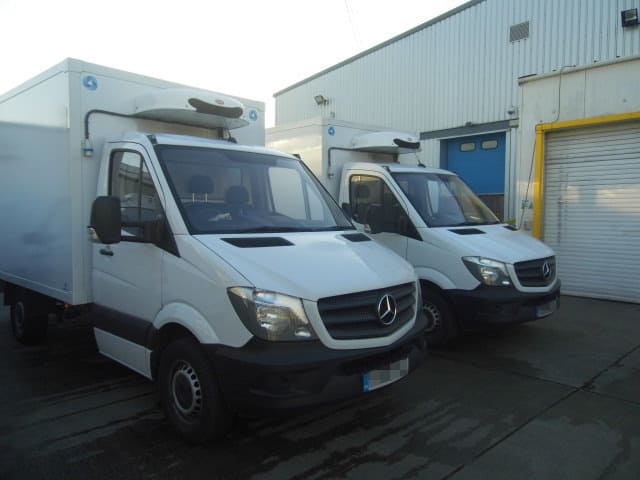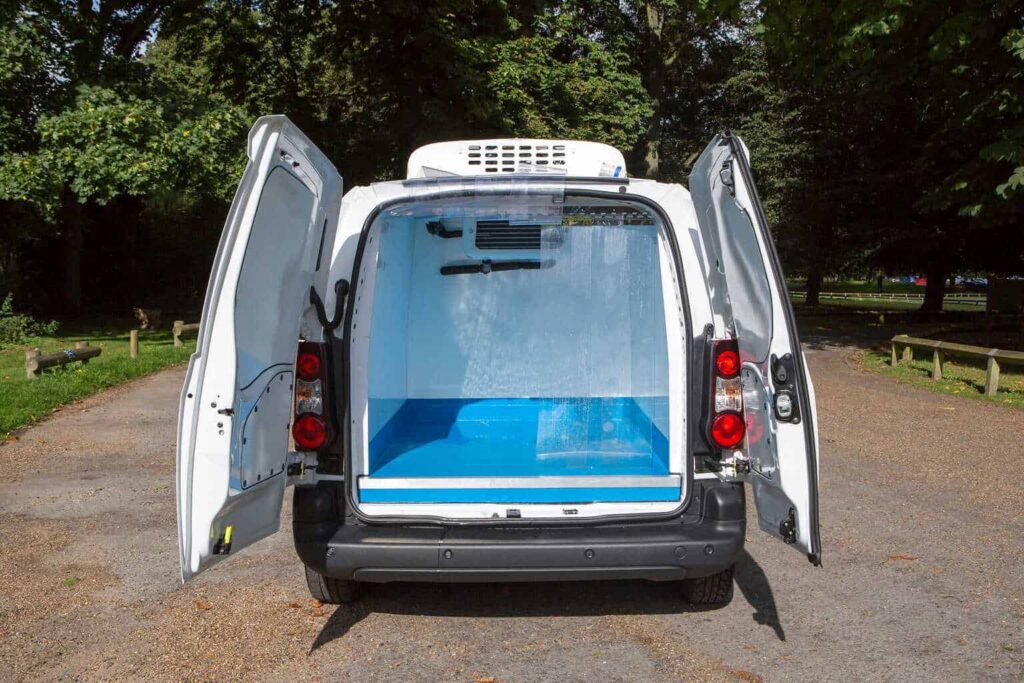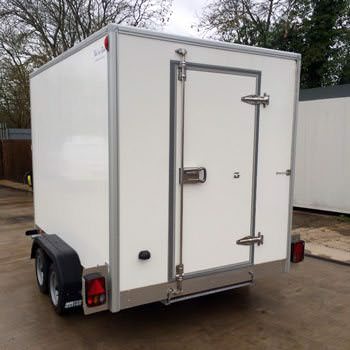
From the outside, frozen dessert logistics looks straightforward. The product goes into a freezer, into a van, and comes out frozen. Anyone who has actually run or supported a frozen fleet knows that the reality is very different, especially when demand spikes.
Ice cream and frozen dessert distribution becomes hardest at precisely the point when businesses can least afford problems: peak season, hot weather, and maximum customer expectations.
As a UK refrigerated vehicle specialist who works with frozen fleets year-round, we see the same pressures play out every summer. Volumes surge, routes stretch, vehicles work harder, and tolerance for error disappears. The frozen supply chain does not bend gracefully under pressure. It either holds together because it has been designed properly, or it starts shedding margin due to waste, downtime, and a damaged reputation.
Here, we look at why frozen distribution becomes more difficult when demand is highest and where operators most often underestimate the operational strain.
Heat Changes Everything, Not Just the Obvious Bits
The most obvious challenge is ambient temperature. When the weather heats up, frozen transport has to work harder to maintain core temperatures. That part is understood. What is often underestimated is how many secondary effects heat creates across the operation.
In day-to-day fleet use, higher ambient temperatures reduce recovery speed after door openings. Units run longer and harder to pull temperatures back down. Vehicles that cope comfortably in spring start struggling in July. What looked like plenty of refrigeration capacity suddenly feels marginal.
We see this fail most often with vans specified near the minimum requirement. On paper, the unit can hold temperature. In reality, it struggles with repeated door openings, partial loads, traffic delays, and prolonged idling in the heat. Summer exposes every weakness that winter politely hides.
Demand Spikes Stretch Routes Beyond Their Original Design
Frozen dessert demand does not just increase in volume. It changes the shape of delivery routes. More drops, tighter delivery windows, longer driving days, and less margin for delay all land at once.
Early-stage frozen routes are usually simple. As demand rises, routes become multi-drop, often mixing wholesale, retail, and direct-to-consumer deliveries. This dramatically increases door-open time. Each stop introduces warm air, reduces temperature stability, and adds recovery load to the refrigeration system.
Operators usually underestimate how quickly this compounds. A route that looks manageable on a planner can behave very differently in the real world when queues, access issues, and customer delays creep in. By mid-afternoon on a hot day, units are often fighting a losing battle unless the setup is robust.
Door Discipline Breaks Down Under Pressure
Frozen distribution relies heavily on discipline around loading and unloading. In peak season, that discipline is the first thing to slip.
When yards are busy and orders are rushed, doors stay open longer than planned. Drivers prioritise speed over sealing the load space quickly. Mixed pallets get shuffled around mid-route. All of this allows heat ingress that refrigeration units must then overcome.
We regularly see temperature excursions caused not by equipment failure but by behaviour under pressure. The problem is not that drivers are careless. It is that systems that worked at lower volume no longer fit the pace of operations.
Frozen vans do not forgive sloppy process. At peak demand, process discipline matters more than ever, yet it is hardest to maintain.
Freezer Burn and Melt Damage Appear Faster Than Expected
Ice cream and frozen desserts are particularly sensitive to temperature fluctuation. Even brief warming followed by refreezing can damage texture, cause ice crystallisation, and lead to freezer burn.
What catches operators out is how subtle this damage can be at first. The product still looks frozen. Core temperature may even return to spec. But quality has been compromised, and shelf life is shortened.
We see this most often with products that have travelled long multi-drop routes in summer. The damage is not always visible on arrival. It shows up later, either in customer complaints or in increased returns from retailers.
By the time it becomes obvious, the cost has already been incurred.
Compliance Pressure
Frozen food compliance does not change seasonally, but the risk profile does. During peak demand, manual checks, paper logs, and informal processes start to crack.
When drivers are rushed and depots are busy, temperature recording becomes inconsistent. Data gaps appear. Alarms are acknowledged but not investigated properly. Small deviations that would normally trigger action get overlooked.
We often see businesses pass audits comfortably in quieter months, then struggle during peak periods because their compliance systems were never designed to operate under sustained pressure. Inspectors and customers are not sympathetic to seasonal excuses.
Frozen fleets need compliance systems that assume stress, not perfection.
Vehicle Uptime Matters More When There is No Slack
In quieter months, a van going off the road is inconvenient. In peak season, it can be catastrophic.
Frozen dessert businesses often operate near full capacity during peak demand. There is little or no spare vehicle availability internally. When a refrigeration unit fails or a van breaks down, there is nowhere to absorb the work.
This is where theoretical cost savings collapse. Operators who have stretched maintenance intervals or delayed replacements to save money often pay far more in lost product, emergency hire, and customer fallout.
We see this pattern every summer. Vehicles that “just about coped last year” do not cope this year when demand is higher again.
Refrigeration Units Are Under Maximum Stress When Margins are Tightest
Refrigeration units do not care about your sales targets. They respond to physics. High ambient temperature, long run times, frequent door openings, and heavy loads create the worst possible operating environment.
At peak demand, units are rarely switched off. They start earlier, finish later, and have less downtime for recovery. Wear accelerates. Minor issues escalate quickly.
Operators often underestimate the importance of preventive maintenance in frozen fleets. Skipping servicing or delaying inspections may not show immediate consequences in the cooler months, but summer exposes every shortcut.
Fuel Consumption and Operating Costs Rise Quietly
Frozen distribution in hot weather is expensive. Fuel consumption rises as engines idle longer to support refrigeration load. Units draw more power. Drivers take longer routes to avoid congestion or access issues.
These costs rarely show up clearly in headline figures. They appear as a gradual erosion of the margin. Operators notice profitability slipping but struggle to pinpoint why.
In our experience, this is often because cost models were built around average conditions rather than peak stress. Frozen distribution does not operate on averages. It operates on extremes.
Electric Frozen Vans Face Their Toughest Test at Peak Demand
Electric refrigerated vans are increasingly discussed in the frozen food industry. Peak season is where their limitations become most apparent.
A refrigerator’s draw significantly reduces its usable range, particularly in hot weather. Early starts, long routes, and frequent door openings all accelerate battery drain. Charging windows become harder to manage when vehicles return late and need to be redeployed early.
We see electric frozen vans work well in tightly controlled urban operations with predictable routes. Where operators get caught out is assuming that summer demand behaves like winter demand. It does not.
For frozen-dessert businesses, electric fleets require careful planning, realistic range assumptions, and, in most cases, a mixed-fleet approach rather than full conversion.
Staffing Pressure Amplifies Operational Risk
Peak demand puts pressure not just on vehicles, but on people. Temporary drivers, new starters, and redeployed staff are more common during busy periods.
Frozen distribution leaves little room for inexperience. Small mistakes, such as leaving a door open too long or misunderstanding unit controls, can have outsized consequences.
We often see businesses invest heavily in product and marketing while underinvesting in training for seasonal staff. The result is increased temperature excursions and higher waste precisely when volumes are highest.
Storage and Yard Operations Become Bottlenecks
Distribution does not start on the road. During peak season, freezers, loading bays, and yard space are often stretched to capacity.
Congested yards slow loading. Pallets sit out longer. Vehicles queue with doors open waiting for paperwork or clearance. All of this introduces heat into the cold chain before the journey even begins.
Operators tend to focus on vehicle performance without addressing these upstream pressures. Frozen fleets cannot compensate for poorly managed loading environments.
The False Economy of Stretching Capacity
One of the most common mistakes we see during peak demand is trying to do more with the same fleet rather than adjusting capacity.
Vehicles are overloaded. Routes are lengthened. Maintenance is deferred. On paper, this looks efficient. In reality, it increases failure risk across the board.
Frozen distribution does not respond well to being stretched. The cost of a single failure often outweighs the savings made by avoiding additional capacity.
Planned Flexibility Beats Reactive Fixes
Operators who cope best with peak frozen demand are those who plan for flexibility in advance. This might include seasonal hire, temporary capacity increases, or route restructuring during hot periods.
What does not work is last-minute scrambling when problems emerge. Emergency hire is expensive and limited. Substitute vehicles are often unsuitable. Drivers lose confidence in the operation.
Frozen distribution rewards planning. It punishes improvisation.
Why Experience Matters More Than Theory in Frozen Fleets
Frozen dessert logistics looks simple on a spreadsheet. In reality, it is shaped by small, cumulative stresses that only show up under peak conditions.
We see the same issues year after year because businesses grow faster than their logistics foundations. Demand spikes expose assumptions that were never tested under real pressure.
The hardest part of frozen distribution is not moving product when everything is calm. It is keeping control when everything is hot, busy, and unforgiving.
Ice cream and frozen dessert distribution becomes more difficult when demand is highest because every margin for error disappears at once. Heat, volume, route complexity, compliance pressure, and cost all peak at the same time.
Successful operators accept this reality and design their fleets, processes, and partnerships accordingly. They do not assume summer will behave like winter, or that last year’s setup will cope with this year’s growth.
Frozen distribution is not about chasing perfect efficiency. It is about resilience. When demand is at its highest, resilience is what keeps the product frozen, customers happy, and margins intact.
Why Partnering with FridgeXpress Makes Sense
For ice cream and frozen-dessert businesses, peak demand is not the time to discover whether your transportation setup is resilient. This is where working with a specialist refrigerated provider matters.
From our side, we are used to seeing frozen operations under maximum pressure. Heatwaves, extended routes, early starts, and zero tolerance for temperature drift are normal conditions in this sector, not exceptions. That experience shapes how vehicles are specified, how capacity is planned, and how issues are dealt with when they arise.
A partnership approach means conversations happen early, before demand peaks. That includes being honest about what will struggle in summer, where fleets are already stretched, and when seasonal capacity makes more sense than pushing existing vehicles harder. It also means faster response when something does go wrong, because frozen product does not wait for convenient timings.
For frozen dessert businesses, working with a specialist partner is less about cost-per-day and more about protecting product, reputation, and margin during the most commercially important part of the year.